Learning Outcomes:
i. Define and explain key terms used in plant tissue culture, including explants, callus, micropropagation, plantlets, somatic embryogenesis, and somaclonal variation.
ii. Understand the role of these terms in the process of plant regeneration and propagation through tissue culture techniques.
iii. Appreciate the importance of plant tissue culture in biotechnology, agriculture, and conservation efforts.
Introduction:
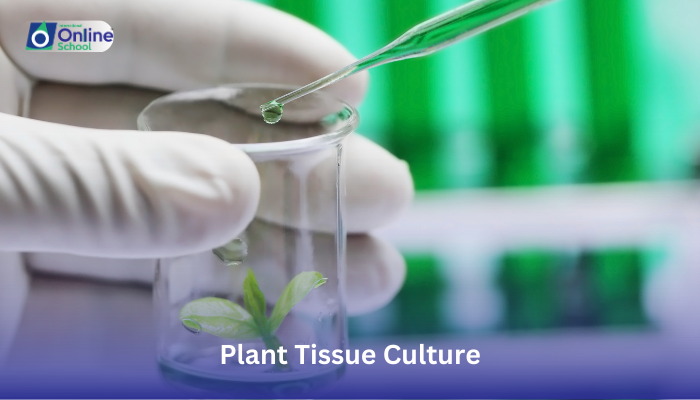
Imagine a magical workshop where tiny plant pieces transform into a multitude of identical plants. This is the realm of plant tissue culture, a technique that utilizes plant cells to regenerate entire plants, bypassing the traditional methods of seed germination and propagation. Today, we delve into the vocabulary of this fascinating world, learning the language that unlocks its secrets.
i. The Building Blocks: What are Explants?
The journey begins with explants, small pieces of plant tissue like leaves, stems, or buds. Think of them as the seeds of this unique growth process, holding the potential for regeneration.
ii. The Cell Symphony: From Explants to Callus:
Under controlled conditions of nutrients, hormones, and light, explants embark on a remarkable transformation. Their cells divide and multiply, forming a mass of undifferentiated cells called callus. Imagine this callus as the first draft of the new plant, a blank canvas waiting for instructions.
iii. The Branching Paths: Micropropagation and Somatic Embryogenesis:
The callus can take two main paths:
Micropropagation: Tiny shoots and roots emerge from the callus, giving rise to complete miniature plants, or plantlets. Think of this as the callus branching into individual seedlings, ready for independent life.
Somatic embryogenesis: The callus undergoes a journey similar to embryo development, forming structures resembling plant embryos that eventually mature into plantlets. Imagine the callus rewriting its own blueprint, crafting miniature replicas of the original plant.
iv. A Tapestry of Diversity: Somaclonal Variation:
Sometimes, during the cell division and regeneration process, spontaneous genetic changes can occur in the plantlets, leading to a phenomenon called somaclonal variation. Think of this as nature adding its own creative touch, generating new variations of the original plant with potentially beneficial traits.
v. From Lab to Land: The Power of Plant Tissue Culture:
These terms are not mere vocabulary; they represent the building blocks of a revolutionary technology with vast applications:
Rapid and efficient propagation: Producing large numbers of identical plants, ideal for agriculture, forestry, and ornamental horticulture.
Disease-free plants: Tissue culture bypasses seed transmission of diseases, leading to healthier crops and improved yields.
Conservation of endangered species: This technique allows for the propagation and preservation of rare or threatened plants.
Development of new varieties: Somaclonal variation can be harnessed to create plants with desirable traits like disease resistance or improved yields.
Understanding the terms of plant tissue culture unlocks a world of possibilities. By mastering this language, we can appreciate the intricate dance of cells, the power of regeneration, and the potential of this technology to shape a greener future. As we continue to explore and refine these techniques, the future holds immense promise for sustainable agriculture, biodiversity conservation, and the development of new and improved plant varieties for generations to come.
